Two aircraft of the same model and year can have very different values. These are the factors that shape what a specific aircraft is worth.
Aircraft valuation is often misunderstood as looking up a model and year in a pricing guide. Reference values are a useful starting point, but the value of a specific aircraft depends on its individual history, condition and documentation, and on the market at the time it is offered.
Whether you are preparing to sell, evaluating an acquisition or reviewing the position of an aircraft you own, understanding the drivers of value helps you interpret prices and negotiate with confidence.
The main value drivers
1. Model and year of manufacture
The model sets the broad value range, reflecting its capabilities, market appeal and support. Year of manufacture positions the aircraft within that range, and may also determine which avionics, systems or modifications were fitted at the factory. Newer variants of the same model, or the introduction of a successor model, can influence the value of earlier aircraft.
2. Total time and cycles
Total airframe hours and cycles (typically one cycle per take-off and landing) indicate how much the aircraft has been used. Both matter: an aircraft flown on many short sectors accumulates cycles faster than one flown on long sectors. Values are generally compared against what is typical for the model and year, with higher or lower usage reflected in the price.
3. Engine and APU program status
Engines are among the most valuable components of an aircraft. Enrolment in an engine maintenance program, and its terms and transferability, can significantly affect value because it determines who bears the cost of future overhauls and unscheduled events. The same logic applies to APU programs. Aircraft not enrolled may be valued with reference to the remaining time before major engine events and the cost of those events.
4. Maintenance status and upcoming inspections
Major inspections represent substantial cost and downtime. An aircraft that has recently completed a major inspection is in a different position to one with that inspection approaching. Valuation should account for the timing and expected cost of upcoming events, as well as airworthiness directive and service bulletin compliance.
5. Damage history
Damage history can affect value even when repairs were performed correctly. The nature of the damage, the quality of the repair and the completeness of the associated documentation all matter. Well-documented minor repairs usually have limited impact; significant or poorly documented damage can affect both value and the pool of interested buyers.
6. Records completeness
Complete, continuous and well-organised records are a value driver in themselves. Missing records can raise questions about component traceability and maintenance history, increasing buyer risk. Buyers and lenders often treat records gaps cautiously, which is reflected in price.
7. Avionics and connectivity
Avionics configuration influences both capability and future cost. Aircraft that already meet relevant equipment mandates, or that have been upgraded with current avionics and cabin connectivity, are generally more attractive. Where upgrades are needed, buyers will factor in the cost and downtime.
8. Interior and exterior condition
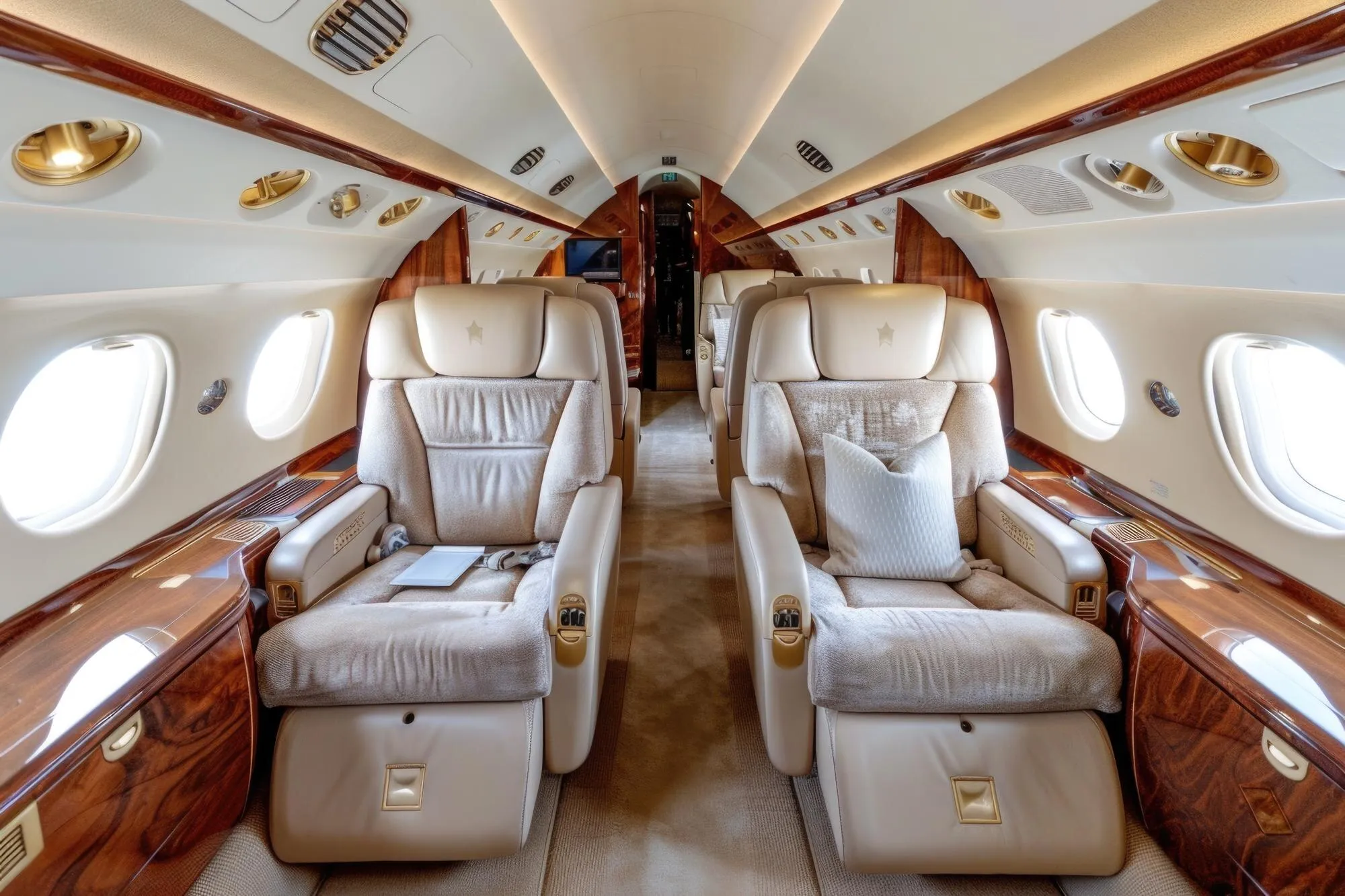
Cabin condition, layout, materials and cabin management systems affect buyer appeal. Paint condition matters too. Refurbishment can improve marketability, but it does not always return its full cost in sale price, so timing and scope deserve thought.
9. Registration and operating history
The aircraft's registration history, previous operating environment and whether it has been used privately or commercially can all influence buyer perception, as can the number of previous owners. Operating history in demanding environments may prompt closer technical scrutiny.
10. Market supply and demand
Finally, value depends on the market at the time of sale: how many comparable aircraft are available, how quickly they are trading and the strength of buyer demand. The same aircraft can be positioned differently depending on whether supply is tight or plentiful.
Asking price is not value. Listed asking prices indicate what sellers hope to achieve, not necessarily what aircraft trade for. A reliable valuation considers comparable aircraft, their condition and, where available, evidence of actual transaction outcomes.
How a valuation is put together
- Identify comparable aircraft by model, variant and year range.
- Adjust for differences in time and cycles relative to those comparables.
- Account for engine and APU program status and upcoming major events.
- Reflect maintenance status, damage history and records quality.
- Consider equipment, avionics, connectivity and interior condition.
- Position the result within current market supply and demand.
Formal appraisals for financing or insurance purposes are typically prepared by independent appraisers according to their own methodologies. A market valuation for a sale or purchase decision focuses on what the aircraft is realistically likely to achieve in the current market.
What owners can do to protect value
Many value drivers are fixed, such as the model and year. Others are influenced by how the aircraft is managed throughout ownership.
- Keep records complete, organised and accessible at all times, not only when preparing to sell.
- Consider enrolment in engine and APU programs, and understand their transfer terms.
- Plan major inspections with the intended holding period and exit in mind.
- Address equipment mandates and avionics upgrades in good time.
- Document any damage and repair thoroughly, with the appropriate approvals.
How ATSJETS can help
ATSJETS can provide market analysis and valuation support to owners and buyers, reviewing the aircraft's specification, records and maintenance position against the current market. For sellers, this informs pricing and preparation; for buyers, it helps assess whether an asking price is supported by the aircraft's condition.
Want to understand your aircraft's market position? We are available for a confidential discussion about your aircraft, its value drivers and how it is likely to be positioned in the current market.
Confidential advisory
Discuss your situation with an ATSJETS advisor.